
We spend our entire lives rehearsing for the big moments. We practice our lines, map out our arguments, master our logic, and refine our theories. We convince ourselves that if we are just prepared enough, smart enough, or rational enough, we can navigate whatever comes our way. But when real life actually hits—when grief, joy, or crisis arrives—the script gets tossed aside. The heart takes over, and everything we so carefully planned dissolves into pure, unfiltered chaos. Or pure, vibrant life.
It feels almost redundant to say we live in the age of AI. The phrase has been repeated so often it has lost its edge, becoming background noise in a world obsessed with “intelligence”—artificial or otherwise. And don’t get me wrong, I am as hooked by the fascination as anyone else. I find myself spiraling down the same existential rabbit holes: What actually is consciousness? Is my brain just a biological computer wrapped in flesh and bone? What happens if I put a microchip inside it? Should I? Am I nothing more than my neural pathways and synaptic fires?
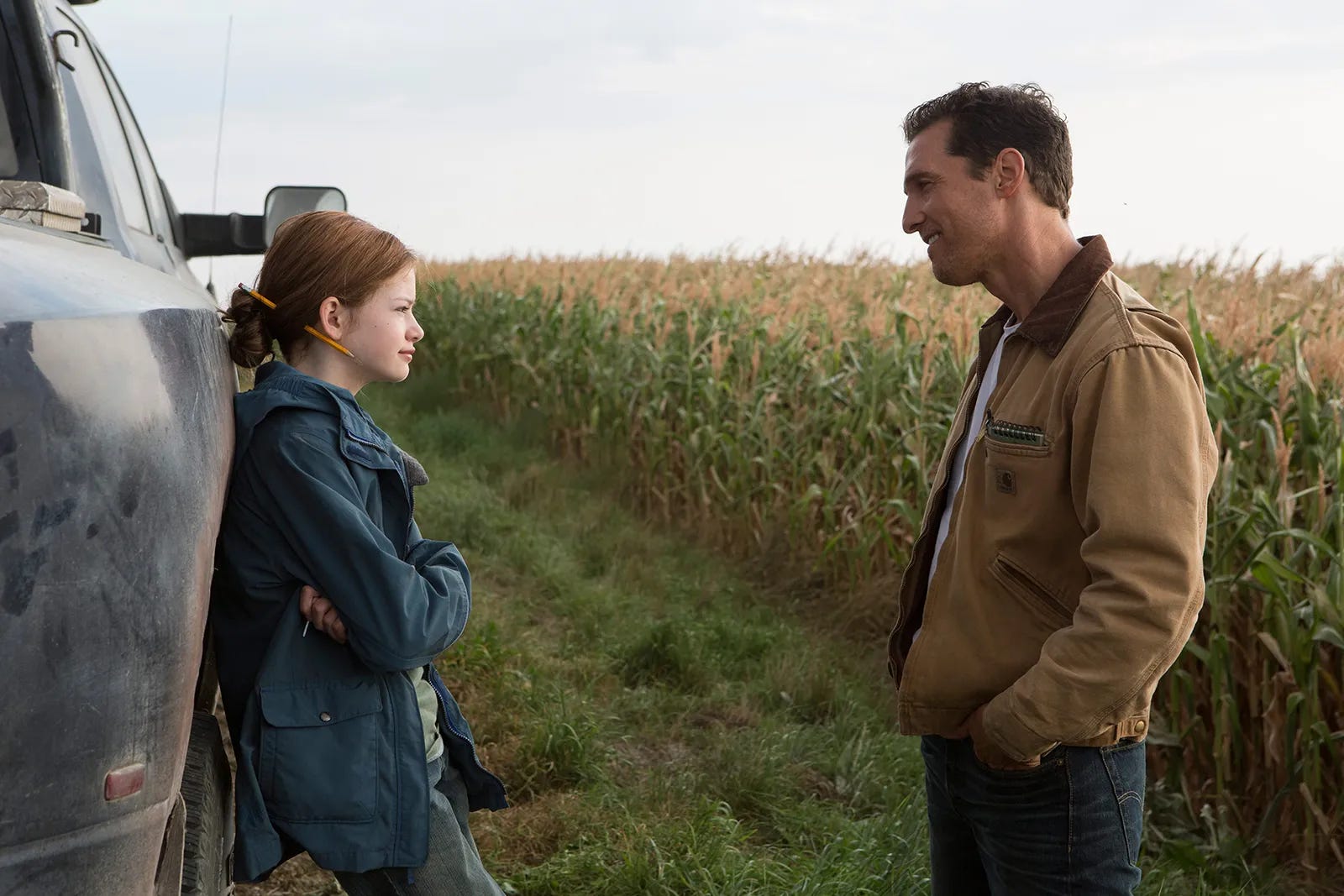
Yet, every time we attempt to reduce humanity to cognitive output, my mind wanders away from the labs and back to stories. I think of the central thesis of Interstellar. Cooper didn’t cross dimensions and save humanity because he was the most brilliant astronaut in the room. His crewmates had the same elite training, the same “brainpower,” the same access to high-level physics. Cooper survived—and transcended space and time—because of a promise made from the depths of his chest to his daughter. His love wasn’t a calculation; it was a force of nature that generated a purpose far greater than himself.
It is the exact same truth tucked inside Harry Potter. When Dumbledore explains to Harry why Voldemort cannot touch him, he doesn’t cite complex spells or superior intellect. He points to an invisible, unbreakable mark left by Lily Potter. Her final act of sacrificial love formed an ancient shield that no dark magic or raw power could ever dismantle.
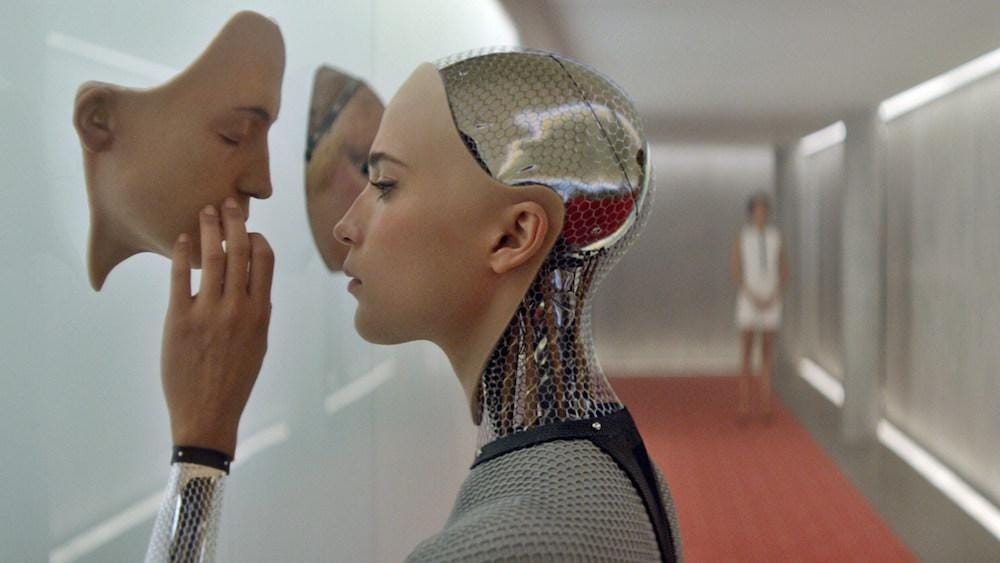
When we debate artificial intelligence today, we are obsessing over the mind while quietly abandoning the heart. We are missing half the conversation. We act as if putting a brain and a silicon chip into a test tube and shaking them together will somehow unlock the pinnacle of human existence. But reducing our rawest feelings, our deepest longings, and our unspoken motives to a training dataset isn’t progress—it’s erasure.
To be human is an exquisitely messy, beautifully complex phenomenon. We are logic and justifications and structured theories, yes. But we are so much more than our capacity to process information. We are bodies, consciousness, memories, and quiet hopes. Above our intellect, above our efficiency, and above our drive to innovate, we are creatures who love—and who desperately long to be loved in return.
As we continue to build the future and hold these grand debates about technology and humanity, I hope we stop leaving the heart out of the equation. Because long after the algorithms have solved every equation, one truth will remain: the heart has its reasons of which reason knows absolutely nothing.